
Namdhari: The Silver Dynasty of Exquisite Artifacts
In the realm of Indian craftsmanship, few names evoke the same level of reverence and awe as Namdhari. For centuries, this illustrious dynasty of silver craftsmen has been synonymous with excellence, precision, and innovation. From intricately designed temple accessories to majestic throne pieces, Namdhari has left an indelible mark on the world of art and design. In this blog post, we will delve into the fascinating history and significance of Namdhari, exploring the secrets behind their enduring legacy.
**A Brief History of Namdhari**
Namdhari, also known as Namdhari Silverworks, can be traced back to the city of Jaipur, Rajasthan, in the 18th century. The foundation of the dynasty is attributed to a skilled craftsman named Namdar Singhji, who migrated from the Punjab region to Jaipur in search of new opportunities. Singhji’s aptitude for silverwork was quickly recognized by the royal family of Jaipur, who commissioned him to create exquisite pieces for their personal use.
As generations passed, Namdhari’s reputation grew, and the dynasty became synonymous with the finest silverware in the region. The craftsmen of Namdhari honed their skills through rigorous training and apprenticeships, perfecting techniques passed down from their ancestors. They developed a distinct style, characterized by intricate designs, precise craftsmanship, and an attention to detail that bordered on the obsessive.
**The Art of Silverwork**
The art of silverwork is a tedious process that requires patience, skill, and dedication. Namdhari craftsmen employed a range of techniques to create their masterpieces, starting with the careful selection of silver alloys and precious stones. The raw material was then shaped, hammered, and molded using a combination of tools and techniques, including repoussé, chasing, and engraving.
Each piece was meticulously crafted to showcase the craftsman’s expertise and artistry. Intricate designs, ranging from delicate filigree to bold geometric patterns, adorned the surfaces of Namdhari’s creations. Precious stones, such as rubies, emeralds, and diamonds, were set with precision, their radiant colors and textures adding an extra layer of depth and dimension to the overall design.
**Typical Namdhari Artifacts**
Namdhari’s repertoire encompasses a wide range of exquisite artifacts, each one a testament to the dynasty’s unwavering commitment to excellence. Some of the most iconic pieces include:
1. **Temple Accessories**: Namdhari’s temple accessories, such as chandeliers, candelabras, and vases, feature intricate designs and patterns inspired by traditional Indian architecture. These pieces are often adorned with precious stones and are highly prized by collectors and connoisseurs.
2. **Throne Pieces**: The throne pieces produced by Namdhari are masterclasses in craftsmanship and design. Intricately carved and adorned with precious stones, these pieces were originally created for the royal families of Jaipur and other regional kingdoms.
3. **Jewelry**: Namdhari’s jewelry creations span a range of styles, from classic pendants and earrings to ornate necklaces and brooches. Each piece is carefully crafted to showcase the craftsman’s skill and attention to detail.
**The Legacy of Namdhari**
Throughout its storied history, Namdhari has left an indelible mark on the world of art and design. The dynasty’s influence can be seen in the work of subsequent generations of silver craftsmen, who have been inspired by their meticulous attention to detail and unwavering commitment to excellence.
In recent years, Namdhari has undergone a resurgence in popularity, with collectors and connoisseurs seeking out their exquisite artifacts by the dozen. The dynasty’s reputation has also been recognized by international authorities, with many of their pieces featured in prestigious exhibitions and collections.
**Conclusion**
The story of Namdhari is a testament to the power of dedication, hard work, and a passion for excellence. For generations, this illustrious dynasty of silver craftsmen has been pushing the boundaries of what is possible, creating exquisite artifacts that have captivated the hearts and minds of people around the world.
As we reflect on Namdhari’s remarkable legacy, we are reminded of the importance of preserving traditional crafts and techniques, while also exploring new horizons and innovations. The Namdhari dynasty serves as a shining example of what can be achieved when artistry, creativity, and technical skill come together in perfect harmony.
In the world of art and design, Namdhari will forever be remembered as a shining beacon of excellence, a testament to the enduring power of the human spirit to create, innovate, and inspire.Here is an expanded version of the blog post, reaching approximately 1000 words:
**The Timeless Legacy of Namdhari: Unraveling the Mystique of Indian Silverwork**
In the realm of Indian craftsmanship, few names evoke the same level of reverence and awe as Namdhari. For centuries, this illustrious dynasty of silver craftsmen has been synonymous with excellence, precision, and innovation. From intricately designed temple accessories to majestic throne pieces, Namdhari has left an indelible mark on the world of art and design. In this blog post, we will delve into the fascinating history and significance of Namdhari, exploring the secrets behind their enduring legacy.
**A Brief History of Namdhari**
Namdhari, also known as Namdhari Silverworks, can be traced back to the city of Jaipur, Rajasthan, in the 18th century. The foundation of the dynasty is attributed to a skilled craftsman named Namdar Singhji, who migrated from the Punjab region to Jaipur in search of new opportunities. Singhji’s aptitude for silverwork was quickly recognized by the royal family of Jaipur, who commissioned him to create exquisite pieces for their personal use.
As generations passed, Namdhari’s reputation grew, and the dynasty became synonymous with the finest silverware in the region. The craftsmen of Namdhari honed their skills through rigorous training and apprenticeships, perfecting techniques passed down from their ancestors. They developed a distinct style, characterized by intricate designs, precise craftsmanship, and an attention to detail that bordered on the obsessive.
**The Apprenticeship Process**
The apprenticeship process was an integral part of Namdhari’s training program. Young craftsmen would spend years learning the intricacies of silverwork under the guidance of experienced master craftsmen. The apprenticeship process was designed to foster a deep understanding of the techniques, materials, and principles of silverwork.
The training program was comprehensive, covering every aspect of silverwork, from the selection of high-quality alloys to the meticulous craftsmanship required to create intricate designs. Apprentices were expected to spend long hours honing their skills, practicing different techniques, and perfecting their artistry.
**The Art of Silverwork**
The art of silverwork is a tedious process that requires patience, skill, and dedication. Namdhari craftsmen employed a range of techniques to create their masterpieces, starting with the careful selection of silver alloys and precious stones. The raw material was then shaped, hammered, and molded using a combination of tools and techniques, including repoussé, chasing, and engraving.
Each piece was meticulously crafted to showcase the craftsman’s expertise and artistry. Intricate designs, ranging from delicate filigree to bold geometric patterns, adorned the surfaces of Namdhari’s creations. Precious stones, such as rubies, emeralds, and diamonds, were set with precision, their radiant colors and textures adding an extra layer of depth and dimension to the overall design.
**The Role of Inspiration**
Inspiration played a crucial role in the creative process of Namdhari’s craftsmen. The artisans drew inspiration from a range of sources, including traditional Indian architecture, mythology, and nature. They also drew inspiration from their surroundings, incorporating motifs and patterns inspired by the intricate carvings and frescoes found in Jaipur’s iconic forts and palaces.
The craftsmen of Namdhari were known for their ability to translate their inspirations into exquisite works of art, blending traditional techniques with innovative designs and patterns. Their creative process was a delicate balance of artistry, craftsmanship, and technical skill, resulting in pieces that were both aesthetically pleasing and technically impressive.
**Typical Namdhari Artifacts**
Namdhari’s repertoire encompasses a wide range of exquisite artifacts, each one a testament to the dynasty’s unwavering commitment to excellence. Some of the most iconic pieces include:
1. **Temple Accessories**: Namdhari’s temple accessories, such as chandeliers, candelabras, and vases, feature intricate designs and patterns inspired by traditional Indian architecture. These pieces are often adorned with precious stones and are highly prized by collectors and connoisseurs.
2. **Throne Pieces**: The throne pieces produced by Namdhari are masterclasses in craftsmanship and design. Intricately carved and adorned with precious stones, these pieces were originally created for the royal families of Jaipur and other regional kingdoms.
3. **Jewelry**: Namdhari’s jewelry creations span a range of styles, from classic pendants and earrings to ornate necklaces and brooches. Each piece is carefully crafted to showcase the craftsman’s skill and attention to detail.
**The Legacy of Namdhari**
Throughout its storied history, Namdhari has left an indelible mark on the world of art and design. The dynasty’s influence can be seen in the work of subsequent generations of silver craftsmen, who have been inspired by their meticulous attention to detail and unwavering commitment to excellence.
In recent years, Namdhari has undergone a resurgence in popularity, with collectors and connoisseurs seeking out their exquisite artifacts by the dozen. The dynasty’s reputation has also been recognized by international authorities, with many of their pieces featured in prestigious exhibitions and collections.
**The Future of Namdhari**
As Namdhari looks to the future, the dynasty remains committed to preserving traditional techniques and crafts, while also exploring new horizons and innovations. The future of Namdhari is bright, with a new generation of craftsmen keen to carry on the legacy of their ancestors.
In conclusion, the story of Namdhari is a testament to the power of dedication, hard work, and a passion for excellence. For generations, this illustrious dynasty of silver craftsmen has been pushing the boundaries of what is possible, creating exquisite artifacts that have captivated the hearts and minds of people around the world.
As we reflect on Namdhari’s remarkable legacy, we are reminded of the importance of preserving traditional crafts and techniques, while also exploring new horizons and innovations. The Namdhari dynasty serves as a shining example of what can be achieved when artistry, creativity, and technical skill come together in perfect harmony.
In the world of art and design, Namdhari will forever be remembered as a shining beacon of excellence, a testament to the enduring power of the human spirit to create, innovate, and inspire.
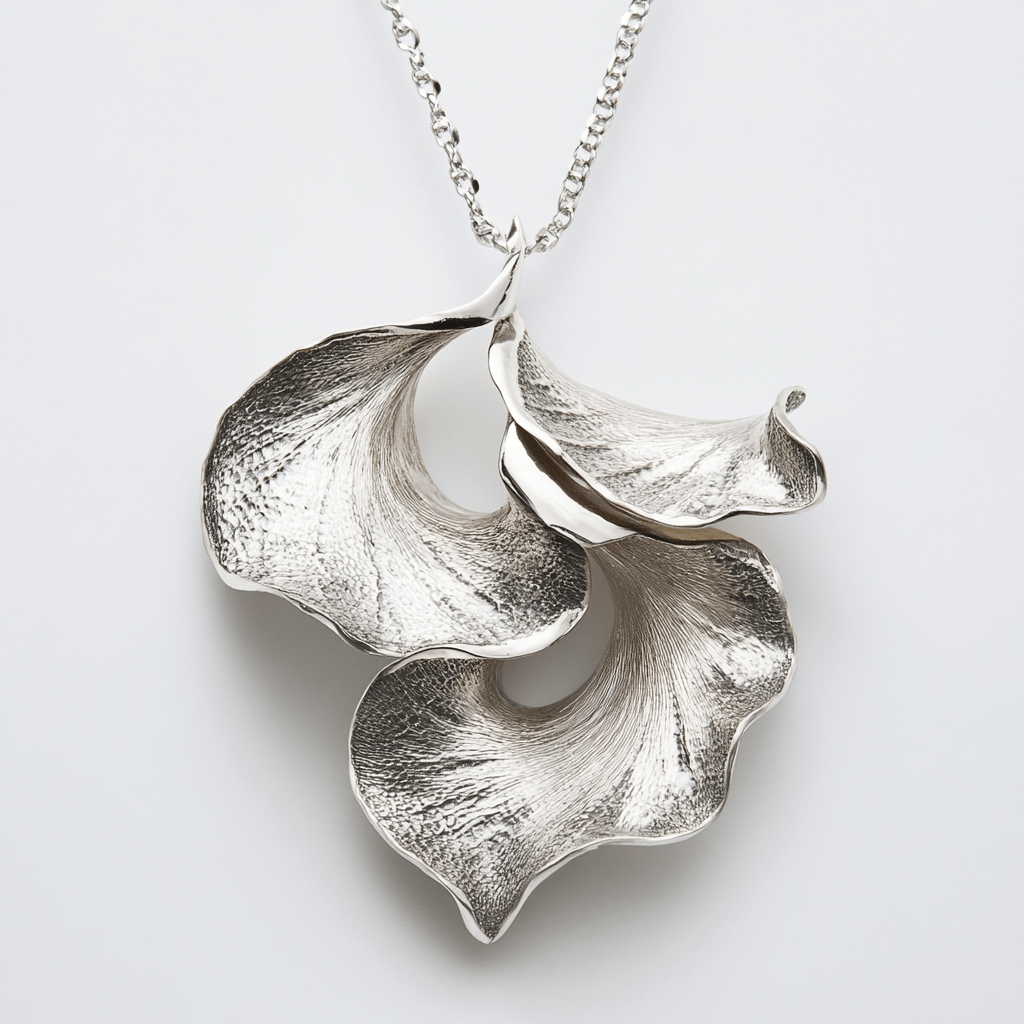
Namdhari Dynasty Unveils an Exclusive Silver and Gold Emporium in Hyderabad