
Traditional Joothis and Their Silver Embellishments
The traditional Jooti, a type of handmade footwear originating from India, has been a symbol of cultural heritage and craftsmanship for centuries. What sets these exquisite shoes apart from others is the intricate silver embellishments that adorn their surfaces. In this blog post, we will delve into the world of traditional Jootis and explore the significance of their silver embellishments.
**History of Jootis**
The word “Jooti” refers to a type of traditional footwear worn in India, particularly in the regions of Rajasthan, Gujarat, and Maharashtra. The earliest recorded history of Jootis dates back to the 12th century, during the reign of the Mughal Empire. The shoes were primarily made for the royal family and were crafted by skilled artisans using traditional techniques and materials.
Over time, Jootis became a staple in Indian bridal attire, with each shoe being carefully handcrafted to match the intricacies of the wedding attire. The designs, materials, and motifs used in Jootis were heavily influenced by the region’s rich cultural heritage, including the art of traditional embroidery, textiles, and jewelry-making.
**Silver Embellishments: A Symbol of Royalty and Superiority**
The silver embellishments that adorn Jootis are more than just decorative elements; they hold deep significance and are often used to convey social status, wealth, and cultural identity. In ancient India, silver was considered a rare and valuable metal, reserved for the elite and the royal class.
The use of silver embellishments in Jootis signified wealth and superiority, as only the wealthy and influential could afford such luxurious materials. To this day, Jootis with intricate silver embellishments are considered a status symbol, often adorning the feet of brides, grooms, and high-ranking government officials.
**Techniques Used in Silver Embellishments**
The intricate silver embellishments on Jootis are achieved through various techniques, including:
1. **Kadoo**: A traditional technique used to create intricate designs and patterns on the shoe’s surfaces using silver threads.
2. **Meenakari**: A process of colorless enamelwork that involves applying a layer of enamel, followed by a layer of silver, and then heating the design to fix the color.
3. **Tarkashi**: A method of inlay work that involves inserting fine silver threads into small depressions on the shoe’s surface to create intricate designs and patterns.
These techniques, passed down through generations of artisans, require immense skill, patience, and dedication. The intricate designs and patterns created using these techniques are a testament to the artistry and craftsmanship of the traditional Jooti makers.
**Variations and Regional Differences**
While the silver embellishments on Jootis are a unifying factor across regions, each region has its unique style and variations. Some of the most notable regional differences include:
1. **Rajasthan**: Known for its flamboyant and ornate designs, Rajasthani Jootis often feature intricate silver filigree and enamelwork.
2. **Gujarat**: Gujarati Jootis are characterized by their simple yet elegant designs, often featuring silver embroidery and inlay work.
3. **Maharashtra**: Maharashtrian Jootis are distinguished by their bold and vibrant colors, combined with intricate silver filigree and enamelwork.
**Care and Maintenance**
The delicate silver embellishments on Jootis require careful maintenance to ensure their longevity. Here are some tips to keep your Jootis looking their best:
1. **Avoid harsh chemicals**: Never use harsh chemicals or detergents to clean your Jootis, as they can damage the silver embellishments.
2. **Use a soft cloth**: Gently wipe your Jootis with a soft, dry cloth to remove dirt and dust.
3. **Avoid direct sunlight**: Direct sunlight can cause the silver embellishments to darken or discolor. Store your Jootis in a cool, dry place when not in use.
4. **Polish with care**: Use a soft, silver polishing cloth to gently polish the embellishments. Avoid using metal polish or abrasive cleaners.
**Conclusion**
Traditional Jootis and their intricate silver embellishments are a testament to Indian craftsmanship and cultural heritage. The techniques used to create these exquisite shoes have been passed down through generations of artisans, and each region has its unique style and variations.
Whether you’re looking to adorn your feet for a special occasion or simply appreciate the beauty of traditional Jootis, understanding the significance of silver embellishments is essential. With proper care and maintenance, these stunning shoes will remain a symbol of cultural pride and beauty for generations to come.Here’s an expanded version of the blog post:
**The Art of Traditional Jootis: Unpacking the Significance of Silver Embellishments**
The traditional Jooti, a type of handmade footwear originating from India, has been a symbol of cultural heritage and craftsmanship for centuries. These exquisite shoes are not just a fashion statement, but a testament to the skillful craftsmanship of Indian artisans. The intricate silver embellishments that adorn their surfaces are more than just decorative elements; they hold deep significance and are often used to convey social status, wealth, and cultural identity.
**History of Jootis: A Legacy of Artistry and Craftsmanship**
The word “Jooti” refers to a type of traditional footwear worn in India, particularly in the regions of Rajasthan, Gujarat, and Maharashtra. The earliest recorded history of Jootis dates back to the 12th century, during the reign of the Mughal Empire. The shoes were primarily made for the royal family and were crafted by skilled artisans using traditional techniques and materials.
The art of making Jootis has been passed down through generations of artisans, with each region developing its unique style and techniques. Over time, Jootis became a staple in Indian bridal attire, with each shoe being carefully handcrafted to match the intricacies of the wedding attire. The designs, materials, and motifs used in Jootis were heavily influenced by the region’s rich cultural heritage, including the art of traditional embroidery, textiles, and jewelry-making.
**Silver Embellishments: A Symbol of Royalty and Superiority**
The silver embellishments that adorn Jootis are more than just decorative elements; they hold deep significance and are often used to convey social status, wealth, and cultural identity. In ancient India, silver was considered a rare and valuable metal, reserved for the elite and the royal class. The use of silver embellishments in Jootis signified wealth and superiority, as only the wealthy and influential could afford such luxurious materials.
To this day, Jootis with intricate silver embellishments are considered a status symbol, often adorning the feet of brides, grooms, and high-ranking government officials. The intricate designs and patterns created using silver embellishments are a testament to the artistry and craftsmanship of the traditional Jooti makers.
**Techniques Used in Silver Embellishments: A Legacy of Artistry**
The intricate silver embellishments on Jootis are achieved through various techniques, including:
1. **Kadoo**: A traditional technique used to create intricate designs and patterns on the shoe’s surfaces using silver threads.
2. **Meenakari**: A process of colorless enamelwork that involves applying a layer of enamel, followed by a layer of silver, and then heating the design to fix the color.
3. **Tarkashi**: A method of inlay work that involves inserting fine silver threads into small depressions on the shoe’s surface to create intricate designs and patterns.
4. **Moli**: A technique used to create intricate designs and patterns using silver wire.
5. **Bakhiya**: A technique used to create intricate designs and patterns using a combination of silver and gold.
These techniques, passed down through generations of artisans, require immense skill, patience, and dedication. The intricate designs and patterns created using these techniques are a testament to the artistry and craftsmanship of the traditional Jooti makers.
**Variations and Regional Differences: A Reflection of Cultural Identity**
While the silver embellishments on Jootis are a unifying factor across regions, each region has its unique style and variations. Some of the most notable regional differences include:
1. **Rajasthan**: Known for its flamboyant and ornate designs, Rajasthani Jootis often feature intricate silver filigree and enamelwork.
2. **Gujarat**: Gujarati Jootis are characterized by their simple yet elegant designs, often featuring silver embroidery and inlay work.
3. **Maharashtra**: Maharashtrian Jootis are distinguished by their bold and vibrant colors, combined with intricate silver filigree and enamelwork.
4. **Punjabi**: Punjabi Jootis are known for their intricate designs and patterns, often featuring silver and gold thread work.
5. **Karnataka**: Karnataka Jootis are characterized by their simple yet elegant designs, often featuring silver and gold embroidery.
**Care and Maintenance: Preserving the Beauty of Jootis**
The delicate silver embellishments on Jootis require careful maintenance to ensure their longevity. Here are some tips to keep your Jootis looking their best:
1. **Avoid harsh chemicals**: Never use harsh chemicals or detergents to clean your Jootis, as they can damage the silver embellishments.
2. **Use a soft cloth**: Gently wipe your Jootis with a soft, dry cloth to remove dirt and dust.
3. **Avoid direct sunlight**: Direct sunlight can cause the silver embellishments to darken or discolor. Store your Jootis in a cool, dry place when not in use.
4. **Polish with care**: Use a soft, silver polishing cloth to gently polish the embellishments. Avoid using metal polish or abrasive cleaners.
5. **Store in a cool, dry place**: Store your Jootis in a cool, dry place, away from direct sunlight and moisture.
**Conclusion: Preserving Cultural Heritage for Future Generations**
Traditional Jootis and their intricate silver embellishments are a testament to Indian craftsmanship and cultural heritage. The techniques used to create these exquisite shoes have been passed down through generations of artisans, and each region has its unique style and variations.
Whether you’re looking to adorn your feet for a special occasion or simply appreciate the beauty of traditional Jootis, understanding the significance of silver embellishments is essential. With proper care and maintenance, these stunning shoes will remain a symbol of cultural pride and beauty for generations to come.
**In Conclusion**
In conclusion, traditional Jootis and their intricate silver embellishments are a reflection of India’s rich cultural heritage and craftsmanship. The techniques used to create these exquisite shoes have been passed down through generations of artisans, and each region has its unique style and variations.
The silver embellishments on Jootis are more than just decorative elements; they hold deep significance and are often used to convey social status, wealth, and cultural identity. By understanding the significance of these intricate designs and patterns, we can appreciate the beauty and craftsmanship that goes into creating these stunning shoes.
With proper care and maintenance, traditional Jootis and their intricate silver embellishments can be preserved for future generations, serving as a testament to India’s rich cultural heritage and craftsmanship.
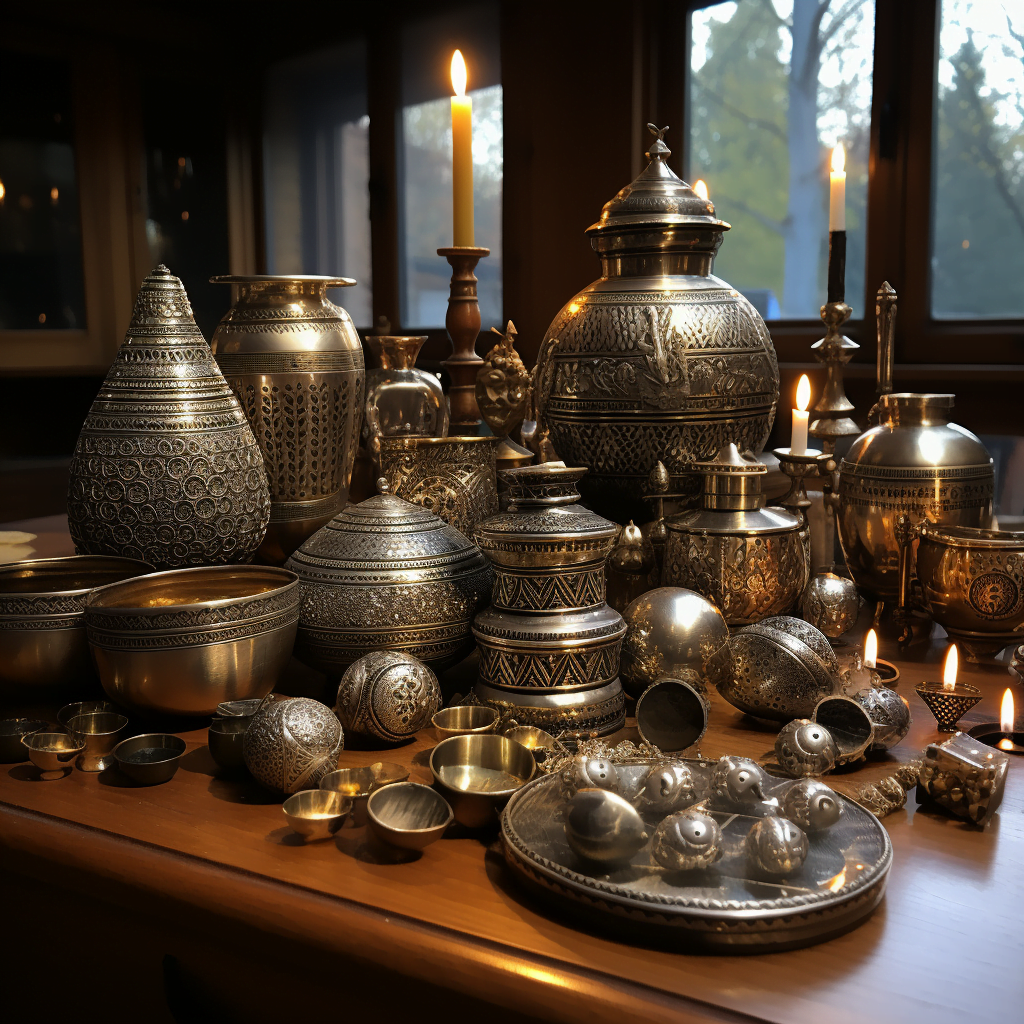
925 Silver Namdhari Dynasty Oxidised Panchmukhi(Five mouthed) Diya | Silver Lamp
Namdhari Dynasty Unveils an Exclusive Silver and Gold Emporium in Hyderabad